Shilajit Honey Sticks vs Energy Drinks: A Cleaner Way to Stay Focused

Split flat lay comparing Shilajit Honey Sticks with a jar of honey against a tipped-over energy drink can, showing natural vs artificial energy.


TL;DR – Honey Sticks vs Energy Drinks

  • ✅ Cleaner energy: Natural minerals and antioxidants without the sugar overload.
  • ⚡ No crash: Honey provides steady fuel while Shilajit supports longer-term stamina.
  • ❌ Energy drinks fall short: High sugar, artificial additives, and post-caffeine crashes.
  • ๐ŸŒฟ On-the-go convenience: Stick packs are portable, pre-measured, and mess-free.

Why This Comparison Matters in 2025

Energy drinks are everywhere—lining store shelves, promoted by influencers, and chugged before long workdays. But in 2025, more people are asking: is there a cleaner alternative? That’s where Shilajit Honey Sticks come in. By blending Himalayan Shilajit resin with raw honey, they deliver a natural boost without the chemical cocktail often found in canned stimulants.

What Shilajit Honey Sticks Offer

Unlike energy drinks, which rely heavily on caffeine and sugar, honey sticks work through a synergistic blend of quick + sustained energy:

  • Honey = natural sugars that provide immediate fuel.
  • Shilajit = fulvic acid and minerals that may enhance nutrient absorption and stamina.

The result? A more balanced lift that feels smooth and steady, not jittery or overwhelming.

๐Ÿ‘‰ For a complete breakdown of the benefits, side effects, and top brands, see the full guide here: Shilajit Honey Sticks 2025.

The Problems with Energy Drinks

For every short burst of alertness, energy drinks bring a list of downsides:

  • Sugar overload: Many cans contain more sugar than a dessert.
  • Caffeine dependency: Spikes in alertness followed by sharp crashes.
  • Artificial ingredients: Preservatives, dyes, and additives your body doesn’t need.
  • Digestive strain: Carbonation and acidity can be tough on the stomach.

For athletes, professionals, and students, these crashes and side effects can undermine performance instead of enhancing it.

When to Choose Honey Sticks Instead

Honey sticks shine in three key scenarios where energy drinks often disappoint:

  • ๐ŸŒ… Morning boost: A clean start without caffeine jitters.
  • ๐Ÿ‹️ Pre-workout: Portable, natural fuel before exercise.
  • ☕ Afternoon slump: Replace the energy drink with a stick for balanced focus.

By avoiding stimulants late at night, you also sidestep the sleep disruption common with energy drinks.

Pros and Cons at a Glance

Pros of Honey Sticks:

  • Portable and convenient.
  • Natural minerals + antioxidants.
  • Balanced, steady energy with no crash.

Cons of Honey Sticks:

  • Some find the earthy taste intense.
  • Not suitable for everyone—those with hormone-sensitive conditions should consult a doctor.
  • Authenticity and quality vary; only buy lab-tested brands.

Final Thoughts

Energy drinks may still dominate the shelves, but Shilajit Honey Sticks represent a cleaner, more balanced alternative. Instead of chasing a caffeine spike followed by a crash, these sticks provide portable fuel grounded in Ayurvedic tradition and modern convenience.

๐Ÿ‘‰ Want the full breakdown of how they work and which brand is leading in 2025? Read the detailed review here: Shilajit Honey Sticks 2025.

Disclaimer: This article is for informational purposes only and is not medical advice. Always consult a qualified healthcare provider before starting new supplements.


Author: Arthurri | Yoshaa Reviews
Sharing honest, research-backed insights on wellness, lifestyle, and products that make everyday life easier.

Biodance Bio-Collagen Mask: Why It’s a 2025 Glow-Up for African American Women


Biodance Bio-Collagen Mask packaging, TikTok viral K-beauty product

 As an Amazon Associate I may earn from qualifying purchases at no extra cost to you.

๐Ÿ’ก TL;DR

The Biodance Bio-Collagen Real Deep Mask is a TikTok-viral overnight hydrogel sheet mask designed to hydrate, firm, and brighten skin. At $13–$19 for a four-pack, it has earned thousands of 4.5-star Amazon reviews. Its deep hydration, collagen support, and probiotic blend make it especially beneficial for African American women managing dryness, uneven tone, or loss of elasticity.


๐Ÿค– Quick Overview

The Biodance Bio-Collagen Mask is one of 2025’s top trending K-beauty products, known for its overnight treatment that locks in moisture, supports firmness, and minimizes the look of pores. It has gone viral on TikTok, praised for delivering spa-like results at home. Affordable and gentle, it’s a skincare option that resonates with women of color seeking hydration and glow without a heavy routine.


๐ŸŒ Why It Matters for African American Women

Melanin-rich skin has unique strengths and challenges. While it naturally resists photoaging, it is often more prone to dryness, uneven tone, and post-inflammatory hyperpigmentation. Hydration and barrier support are essential. That’s where Biodance comes in:

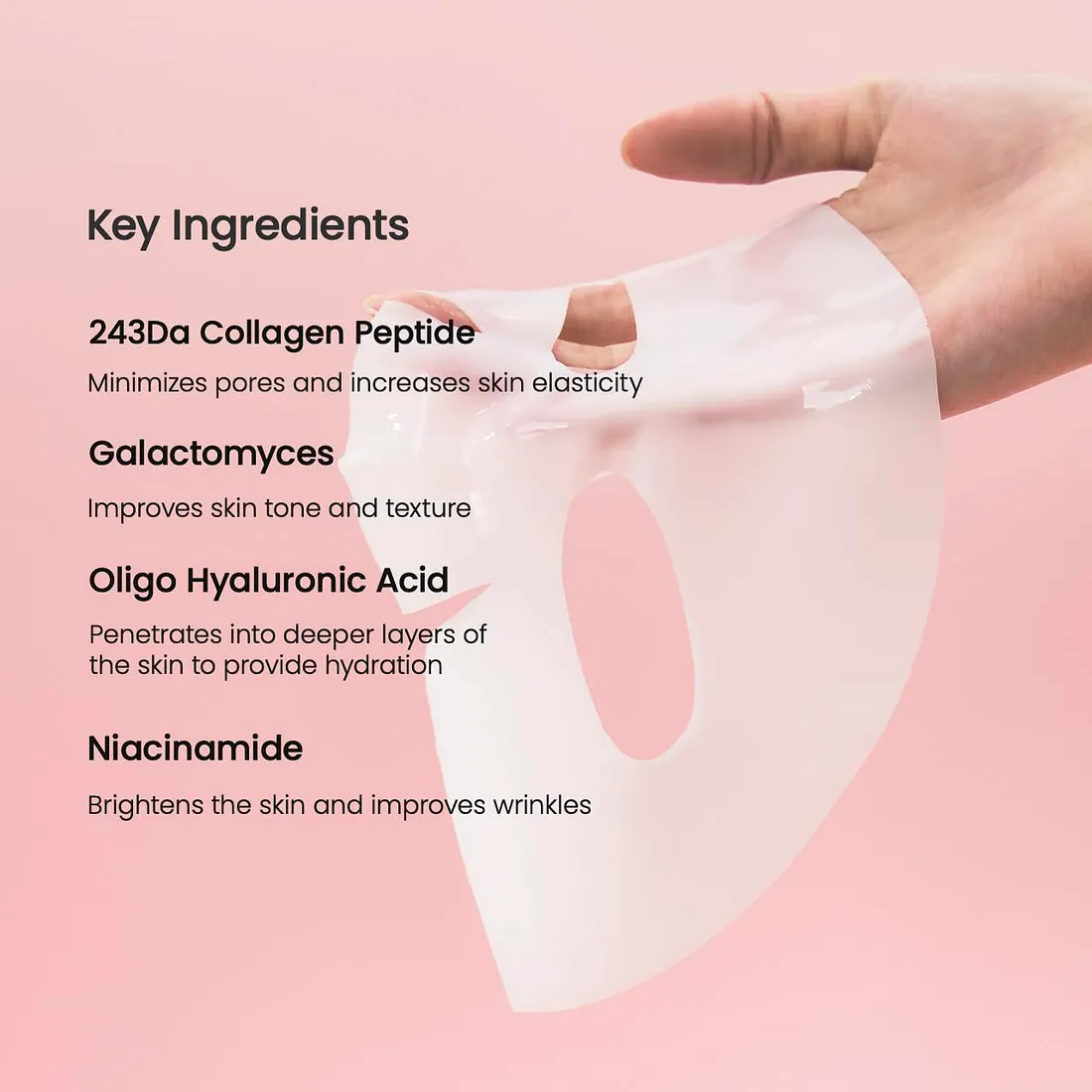
  • Hydration Power: Oligo-hyaluronic acid penetrates deeper layers, combating chronic dryness that many Black women experience due to lower ceramide levels.
  • Elasticity Support: Collagen peptides in the mask reinforce firmness, helping maintain bounce and reduce fine lines.
  • Barrier Strength: Probiotics calm the skin, making it suitable for sensitive skin types often prone to irritation from harsher treatments.

For context, check out this related article on the benefits of snail mucin in skincare—another K-beauty powerhouse ingredient popular for hydration and barrier repair.

Biodance Bio-Collagen Mask ingredients, including collagen peptide, probiotics, niacinamide

๐Ÿ›’ Price & Where to Buy

On Amazon, a four-pack typically costs $13–$19. During sales like Prime Day, it drops closer to $13. With Prime shipping, it’s affordable, convenient, and easy to add to your routine.

๐Ÿ‘‰ Get the Biodance Bio-Collagen Mask on Amazon


๐Ÿ™‹ People Also Ask Questions

How long should you leave the Biodance mask on?

It’s designed for 3–8 hours, ideally overnight. The hydrogel clings securely, and the mask turns clear as your skin absorbs the essence.

Is the Biodance mask good for sensitive skin?

Yes. Its probiotic-rich formula is designed to calm irritation. Many reviewers with sensitive skin reported no issues, but patch testing is recommended.

How often should you use the Biodance mask?

1–2 times per week is typical. More frequent use isn’t necessary, as each treatment delivers a heavy dose of hydration and firmness.

Does the Biodance mask help with hyperpigmentation?

Indirectly, yes. By strengthening the skin barrier and providing consistent hydration, it reduces dryness and inflammation that can worsen hyperpigmentation.

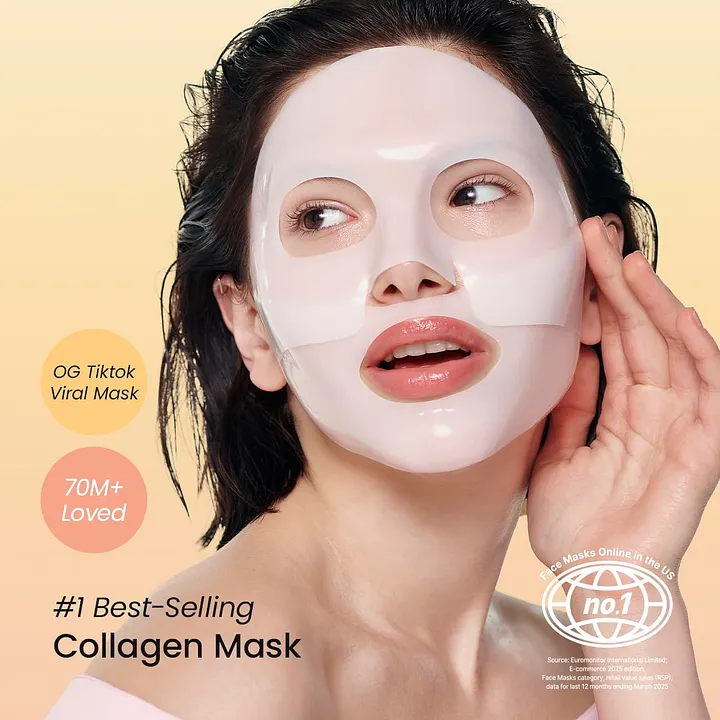
Woman wearing Biodance Bio-Collagen Real Deep Mask, labeled as #1 best-selling collagen mask

๐Ÿ”— Read the Full Review

This article offers a cultural perspective, but if you’d like a complete ingredient breakdown, user results, and comparison with other K-beauty favorites, check out my full Medium review: Biodance Bio-Collagen Mask Review 2025: TikTok’s Viral Glow-Up


✨ Final Thoughts

The Biodance Bio-Collagen Mask blends affordability, effectiveness, and inclusivity. For African American women dealing with dryness, dullness, or uneven tone, it’s more than just a TikTok trend—it’s a practical tool for glowing, resilient skin.

Shop the Biodance Mask on Amazon today and see why it has thousands of glowing reviews.

7 Myths About the Upside App That Are Costing You Money


Introduction

Cashback apps often get a bad reputation. Some people dismiss them as gimmicks, while others assume the savings aren’t worth the effort. The truth? Many shoppers are leaving real money on the table. The Upside app is one of the easiest tools to earn cashback on gas, groceries, and dining—but common myths prevent people from trying it. Today we’ll clear up those myths and show you how to get started. If you want a detailed step-by-step walkthrough, see this guide: Save Money on Gas, Groceries, and Dining with the Upside App.

Myth 1: “Upside Is Too Complicated”

Actually, Upside is as simple as browsing offers, claiming one, making a purchase, and confirming it. Your cashback appears within 24–48 hours. No complicated points systems, no new payment methods.

Myth 2: “The Savings Are Too Small to Matter”

Many users underestimate how quickly small wins add up. Ten cents back per gallon might not sound like much, but over the course of a year of commuting, that can mean $150–$200 back in your pocket. Stack in grocery and dining offers, and the numbers grow.

Myth 3: “It Only Works at a Few Stores”

Upside partners with over 50,000 locations nationwide, including big-name gas stations, grocery chains, and restaurants. Chances are you already shop at a store that participates.

Myth 4: “You Can’t Combine Upside With Other Discounts”

Wrong. Upside stacks perfectly with loyalty cards, coupons, and even credit card rewards. It’s not a replacement for those programs—it’s an extra layer of savings. Download the Upside app here and see how easy stacking can be.

Myth 5: “It’s a Scam”

Upside is 100% legitimate. It’s been around for years and pays out reliably through PayPal, bank transfer, or gift cards. If you want more balanced takes, see these independent reviews: Vocal Media review, Medium article, and Steemit discussion.

Myth 6: “You Have to Spend a Lot to Benefit”

Upside rewards everyday spending—even a $5 coffee run can earn cashback. The secret is consistency. Every purchase claimed and confirmed builds your total savings.

Myth 7: “Cashback Apps Waste Time”

Checking the map and claiming an offer takes less than 30 seconds. That’s hardly a waste of time when you’re getting paid back for errands you’d already run. Over the course of a year, it’s like paying yourself an hourly rate for being smart about shopping.

Pro Tips to Maximize Your Savings

  • Claim early: Make it a habit before you leave the house.
  • Don’t ignore small transactions: Little savings add up fast.
  • Cash out strategically: Higher balances help avoid fees.

For a full breakdown of strategies, check out this detailed blog: 5 Practical Reasons Upside App Helps You Save.

Final Thoughts

Myths about cashback apps stop many people from saving money that could be theirs. Upside is free, flexible, and worth adding to your daily routine. If you’re ready to test it for yourself, start here: Start saving with Upside today.

About the Author

I’m Arthurri, founder of Yoshaa Reviews, where I share practical, honest reviews to help you make smarter financial choices. From cashback apps to lifestyle tools, my goal is to simplify your options and save you money. Explore more at Yoshaa Reviews.

What to Look for in Shoes if You Have Bunions or Wide Feet (2025 Advice)


shoes-for-bunions-2025-bunion-relief-foot-care

If you've ever tried on shoe after shoe hoping for relief from bunion pain, you're not alone. In 2025, more brands are finally getting it right — but knowing what to look for makes all the difference.

Why Regular Shoes Often Don’t Work

Most mainstream shoes have narrow toe boxes, stiff materials, or no real arch support. For those of us with bunions or naturally wide feet, this means irritation, pressure, and pain — sometimes just minutes after walking.

Top 3 Things to Look For

  1. Wide Toe Box: Your toes need space to spread naturally. Look for shoes labeled as “wide” or those with a foot-shaped design.
  2. Soft Uppers: Mesh, knit, or flexible fabric that won’t rub against the bunion area.
  3. Stable Cushioning: Cushion is great — but pair it with a solid base for support, especially if you have flat feet or plantar fasciitis.

Need Recommendations?

One of my favorite posts this year goes beyond general advice — it actually reviews specific shoes that help with bunions. From Bronax to Hoka to New Balance, it breaks down real-life comfort, sizing, and pricing for both men and women.

Read the full guide here: Best Shoes for Bunions 2025 – Full Breakdown

Everyone’s feet are different, but relief is possible when you start with the right shoes.

How to Fix Your Credit When You’re Broke (Beginner-Friendly Guide for 2025)

Colorful graphic showing a credit report, wallet, rising bar chart, and credit card with the headline “How Can I Fix My Credit With No Money?” — designed to inspire financial hope and literacy.


TL;DR: Struggling to fix your credit with limited funds? This guide offers actionable tips, community-based resources, and expert-recommended products—especially for African American communities. Discover tools like Credit Repair Kit for Dummies and Get Good with Money to rebuild your score step by step—without expensive services.

Improving your credit can feel impossible when money is tight—but it isn’t. With the right knowledge and tools, you can take real steps toward repairing your credit without hiring costly credit repair agencies. In this article, we’ll walk you through the essentials: why credit matters, how it impacts your everyday life, and what you can do starting today—even if you're broke.

We’ll explore proven techniques, highlight community support options (especially for African American households), and offer beginner-friendly resources to help you take control of your financial future.

๐Ÿ’ณ Why Credit Matters (and What Hurts It)

Your credit score isn’t just a number—it’s a financial fingerprint. It affects where you live, how much interest you pay on a loan, and whether you’re approved for things like a car, apartment, or even a job. When your score is low, you may be denied, charged more, or forced to accept worse terms. That’s why improving it is so important.

Common credit problems include late payments, high credit card balances, collections, charge-offs, and not having enough credit history. Fortunately, all of these issues can be fixed or improved. Credit is fluid—it reflects your recent activity more than your past mistakes, and that’s why rebuilding is always possible.

๐Ÿ› ️ Fixing vs. Rebuilding: What’s the Difference?

Fixing credit involves correcting errors or removing negative items from your credit report—like disputing inaccuracies, requesting goodwill deletions, or paying off collection accounts. Rebuilding credit, on the other hand, is about adding new, positive information to your file through responsible habits: paying bills on time, keeping balances low, and using credit strategically.

You often need to do both. For example, you might dispute an old debt (fixing), then open a secured credit card to demonstrate good habits going forward (rebuilding). This dual approach helps you clean up the past while building a better financial future.

๐Ÿงญ How to Start When You’re Overwhelmed

Don’t panic. You don’t need to do everything at once. Start by pulling your free credit reports from AnnualCreditReport.com. Review each one for mistakes, debts, and outdated accounts. Create a simple list of what you owe and to whom.

Next, pick one small action: set up autopay for a recurring bill, pay $10 more than the minimum on a credit card, or open a credit repair book to learn more. Progress builds momentum. Focus on one day, one habit, one account at a time.

๐Ÿ“„ What Credit Reports Really Say—and How to Read Them

Your credit report contains your full borrowing history: accounts opened, balances, payment history, inquiries, and public records. Focus on three key areas: negative marks (like late payments or collections), credit utilization (how much of your available credit you’re using), and account types.

Look for outdated info, duplicates, or things you don’t recognize. You can dispute errors online with each bureau (Experian, Equifax, TransUnion). Learn what’s hurting your score—and take notes so you can track improvements over time.

๐Ÿ›️ The 5 Pillars of Your Credit Score

  1. Payment History (35%) – Always pay on time. One late payment can hurt you for months.
  2. Credit Utilization (30%) – Keep your usage below 30% of your limit.
  3. Length of Credit History (15%) – The older your accounts, the better.
  4. Credit Mix (10%) – A combination of cards, loans, and other credit types helps.
  5. New Credit (10%) – Too many recent inquiries can hurt your score.

๐Ÿ“† Your First 30 Days: A Simple Beginner Plan

  • Week 1: Get your credit reports and highlight problem areas.
  • Week 2: Open a secured card or use Experian Boost to add utility payments.
  • Week 3: Set up auto-pay and organize your due dates.
  • Week 4: Dispute any incorrect accounts and make your first new on-time payment.

These steps will give you a solid foundation without costing you anything. Use resources like the Get Good with Money book to stay motivated.

๐Ÿง  Mindset Over Money

Credit repair isn’t just about tactics—it’s about your mindset. If you believe you’re capable of change, you’ll act accordingly. Many African American communities have faced generations of financial exclusion. Reclaiming your financial power starts with knowing that you deserve better—and that you can achieve it, step by step.

Celebrate small wins, stay consistent, and don’t let past mistakes define your financial future. Your mindset is your most powerful credit repair tool.

๐ŸŒŸ More Community Resources for African Americans

If you’re rebuilding credit and need help, don’t go it alone. There are trusted organizations ready to guide you—especially within the African American community. These nonprofits and programs offer financial counseling, credit building workshops, and low-interest lending options to help you make progress without predatory fees.

๐Ÿฆ Bonus: Build Credit Automatically with Chime

Looking for a no-fuss way to build credit while managing your money? Chime offers a secured credit builder card that requires no credit check, no annual fee, and works by using your own money to help you grow your score safely. There’s no risk of going into debt—and on-time payments get reported automatically to the major credit bureaus.

It’s a smart tool if you’re just starting out or rebuilding after financial hardship. Click here to learn more or sign up with Chime.

๐Ÿฆ MoneyLion: Credit Builder Plus Program

Need a small loan and a way to build credit at the same time? MoneyLion’s Credit Builder Plus program gives you access to a low-interest loan while also reporting monthly payments to all three credit bureaus. There's no hard credit check to apply, and you get access to budgeting tools, a credit monitoring dashboard, and rewards.

It’s great for people who want to start building history while also accessing short-term cash. Click here to try MoneyLion.

๐Ÿ’ธ Empower: Access Cash & Build Financial Habits

Need emergency cash and want to avoid payday loans? Empower offers instant cash advances of up to $250 with no interest and no credit check. Plus, they help you create healthy budgeting habits, track your spending, and build toward long-term financial goals.

It’s ideal for people working on stability while avoiding predatory lending traps. Click here to learn more about Empower.

๐Ÿ”ง 10 Lesser‑Known Credit Repair Tricks

  1. Use Experian Boost: Add utility and streaming bill payments to your credit file. It’s free and can increase your score in days.
  2. Become an authorized user: Ask a trusted friend or relative to add you to their credit card. You benefit from their history.
  3. Request goodwill deletions: Politely ask lenders to remove negative marks if you’ve since made on-time payments.
  4. Pay before your statement date: Lower your reported balance by paying early—it improves utilization ratios.
  5. Open a secured credit card: A great tool to rebuild credit. Learn how using the Credit Repair Kit for Dummies.
  6. Report rent payments: Services like RentTrack or Rental Kharma let your rent history count toward your credit score.
  7. Use credit-builder loans: Offered by organizations like Self‑Help CU, these help establish good credit habits.
  8. Limit new applications: Space out credit applications to avoid too many hard inquiries at once.
  9. Improve credit mix: A small loan or store card alongside a credit card can help diversify your file.
  10. Automate your bills: Late payments hurt. Use autopay—a strategy praised in Get Good with Money.

๐Ÿ“š Recommended Books & Tools

๐Ÿ‘ค About the Author

AsaaKun Hi, I'm AsaaKun—a lifelong learner and advocate for financial literacy. I’m passionate about helping everyday people take control of their money, improve their credit, and make informed financial decisions. This blog is where I share resources, insights, and tools that can truly make a difference. You can also check out my full breakdown of the best cash advance apps to see which ones are right for your situation. 


Bible Study Made Easy: My Journey with the YouVersion App


๐Ÿ“Œ TL;DR

If your schedule makes it hard to attend in-person Bible studies, the free YouVersion Bible App makes it easy to connect with God’s Word anywhere, anytime. With guided studies, built-in community features, and flexible daily reading plans, this app helps busy people grow spiritually—alone or with friends.

How the YouVersion Bible App Can Help You Grow Spiritually

A Bible App is a digital tool that lets users read and study Scripture on their phones, tablets, or computers. One of the most popular is the YouVersion Bible App, which offers countless Bible translations, guided devotionals, audio options, and community features. Whether you're on a break at work or winding down at night, the app brings structure and connection into your spiritual routine, helping you stay consistent and inspired in your walk with God.

For years I have wanted to go to bible study at a church. However, between working full time, homeschooling my son – and just life in general – it was seemingly impossible for me to study the word of GOD with others. Very rarely did it happen. There were also times when I found it difficult to just sit down and read the bible. I found myself asking questions like: Where do I begin? What does this scripture even mean? How does this apply to my life? I needed a bible study that fit into my busy schedule. I longed to have the feedback and company of others while studying the bible. I wanted the structure of a guided bible study to give me a focal point for my study.

Thankfully, I discovered an app called YouVersion that solved all my issues. This Bible App provided the flexibility, structure, and community that I was looking for. The app has a wide variety of bible study topics to choose from. You can do them on your own, with a friend, or with a group of friends. The studies give insight and practical ways of applying the word of GOD to your life. Each study is broken up over various timeframes. Many of them can be done in as little as 3 days. Each day’s lesson can be completed in a very short amount of time making it easy to do them first thing in the morning, on a work break, or any time that you deem fit.

YouVersion provides all the convenience you need to make bible study work for you. The studies allow you to mark and save your progress when you need to get back to your daily tasks and start right where you left off at your convenience. You can even do multiple lessons simultaneously. YouVersion keeps a handy list of the lessons you are currently studying as well as lessons you have completed, including any comments made by its participants.

With YouVersion, you don’t have to study alone. Each day’s lesson has a section where you can discuss the lesson with those you are studying with. Each person’s comment is saved in chronological order, and everyone who is participating in the lesson can read and respond in their own timeframe. This Bible App brings people together no matter the distance between them.

YouVersion brings bible study to my fingertips and makes it super easy and convenient for me to participate. It gives me guidance and feedback of its own and also allows me to discuss with others. I can connect with friends and family, exchange biblical truths and personal testimonies, and learn and grow with those who are closest to me. It also provides me a way of reaching out to others and offering them this amazing tool for studying the bible. I am so thankful that I found this app and I highly recommend it to anyone who could benefit from the ease and convenience of studying the bible anytime, anywhere, and with anyone.

If you're on your own journey of faith, I also invite you to explore more uplifting stories on my blog.

❓People Also Ask (FAQ)

Q: What is the best free Bible app for daily devotionals?
A: The YouVersion Bible App is one of the most trusted free apps for daily devotionals. It offers a vast selection of reading plans, reminders, and audio options for every lifestyle.

Q: Can I do Bible study with friends using an app?
A: Yes! YouVersion allows you to invite friends to join studies, leave comments, and interact with each day’s lesson—no matter where they live.

Q: Does YouVersion work offline?
A: Yes, many features of YouVersion, including Bible downloads and saved reading plans, are available offline once downloaded.

Q: How long are the devotionals in the YouVersion app?
A: Most devotionals range from 3 to 14 days, with each day’s content taking just a few minutes to complete—perfect for busy mornings or lunch breaks.


๐Ÿ‘ฉ‍๐Ÿ’ป About the Author

Author Photo

Hello World, I'm Blessed, and I'm excited to have you drop by my little corner of the web! As a blogger, I'm all about digging into the everyday stuff that makes life interesting. From health tips to African American issues, women's topics to workout and diet hacks, the whirlwind of motherhood and parenting to the twists and turns of married life – I've got it all covered. But that's not all! We'll also chat about what's happening in the world today, dive into matters of the spirit, explore virtual realms, get a taste of Midwest living, and ponder life from a Christian perspective.

Through this blog, I want us to feel like old pals, sharing stories, insights, and maybe a few laughs along the way. So whether you're here for advice, inspiration, or just some good ol' reading material, I'm thrilled to have you on this adventure with me. Thanks for swinging by, and let's make this journey a blessed one together!

Do Black People Need Sunscreen? Truth, Science & Best SPF Picks for Dark Skin

 
Young Black woman smiling outdoors while applying sunscreen to her face, representing melanin-rich skincare awareness.

๐ŸŸฆ Introduction: Why This Question Matters


For years, there’s been a lingering myth that people with darker skin tones don’t need sunscreen. The belief that melanin alone can protect against the sun’s harmful effects is common — and surprisingly persistent, even in health and beauty spaces.

But here’s the truth: while melanin does provide some natural defense, it’s not enough to fully block UVA and UVB rays that contribute to premature aging, discoloration, and even skin cancer. Understanding the science behind this, especially within the Black community, is critical — not just for appearance, but for long-term health.

Yes — Black people do need sunscreen. And thankfully, modern SPF products — including setting sprays that don’t leave a white cast — make daily protection simple and seamless.

This guide breaks down the facts, busts common myths, and introduces skin-friendly SPF solutions that work with, not against, melanin-rich complexions.

Table of Contents


 ๐ŸŸฆ 1. Does Melanin Really Protect Against the Sun?


Melanin, the pigment that gives skin its color, does act as a natural sun barrier — but only to a point. According to dermatologists, darker skin can offer an SPF of about 13, compared to around 3 for very fair skin. That’s helpful, but still well below the SPF 30 minimum recommended by most health organizations.

In other words, melanin reduces the risk of sunburn but does not eliminate the risk of UV-induced skin damage, hyperpigmentation, or skin cancer. And because sun damage is often less visible on darker skin, it can go unnoticed — and untreated — for longer.

Choosing the right sunscreen type is key. Not all formulas work well with deeper complexions — especially when it comes to feel, finish, or layering under makeup.

☀️ For a deeper comparison of formulas, check out this breakdown of spray vs lotion sunscreen — including what works best for dark skin.


 ๐ŸŸฆ 2. Common Myths About Sunscreen and Dark Skin


Even today, there’s a lot of confusion and misinformation about whether people with darker skin need sun protection. Let’s clear up some of the most common myths:


❌ Myth 1: “I Don’t Burn, So I Don’t Need Sunscreen”

This is a dangerous misconception. While it’s true that people with more melanin are less likely to burn, sunburn is only one sign of UV damage. You can still experience:

  • DNA damage at the cellular level

  • Increased risk of skin cancer

  • Uneven skin tone and hyperpigmentation

  • Accelerated aging


❌ Myth 2: “Melanin Blocks All UV Rays”

Melanin absorbs UV radiation better than lighter skin — but not completely. UVA rays in particular penetrate deep into the skin and contribute to long-term damage. Darker skin may delay visible signs of harm, but the damage still accumulates.


❌ Myth 3: “Sunscreen Is for White People”

This belief often stems from lived experiences — many sunscreens on the market leave a white cast or feel greasy on darker complexions. But that’s a problem with the product, not with the concept of sunscreen itself.

Today, there are SPF options formulated specifically to:

  • Leave no white residue

  • Feel lightweight and breathable

  • Work under makeup

  • Suit oily or acne-prone skin

๐Ÿ’ก Want to see sprays that check all those boxes? Explore these SPF setting sprays designed for darker skin.


 ๐ŸŸฆ 3. Can Black People Get Sunburn or Skin Cancer?


Absolutely — and this is one of the most important truths to highlight.

๐ŸŒž Sunburn Still Happens

While it’s less common, sunburns can and do affect people with dark skin, especially after prolonged sun exposure or during outdoor activities like hiking, swimming, or sports. The symptoms may show up differently — often as tenderness, peeling, or darker pigmentation — but the damage beneath the skin is still occurring.


⚠️ Skin Cancer Risk Is Lower — But Not Zero

Black individuals are statistically less likely to develop skin cancer, but when they do, it’s often detected at a later stage — making it more dangerous. According to the Skin Cancer Foundation:

  • Melanoma in Black patients is often found in later stages

  • The five-year survival rate for Black patients is significantly lower

  • Common sites include palms, soles, and nail beds, where melanin is thinner

This delay in diagnosis isn’t because melanin is immune — it’s because the damage goes unnoticed or unchecked.


๐Ÿงด Sunscreen = Prevention

Using sunscreen regularly — even on cloudy days — is one of the most effective ways to reduce your lifetime UV exposure and protect your skin health.

Think of sunscreen as a long-term investment in your skin — just like hydration, a good cleanser, or a balanced diet.


 ๐ŸŸฆ 4. Best Types of Sunscreens for Melanin-Rich Skin


Not all sunscreens are created equal — especially when it comes to deeper complexions. Many mainstream SPF products leave behind a visible white residue, feel heavy, or cause breakouts. But newer formulas are changing that.

Here’s what to look for if you have melanin-rich skin:


✅ What to Look for in a Sunscreen:

  • Invisible Finish – No white cast or ashy residue

  • SPF 30 or Higher – Broad spectrum protection from UVA + UVB

  • Lightweight Texture – Especially if layering under makeup

  • Hydrating or Matte Options – Based on your skin type

  • Spray or Mist Format – Easier to reapply without rubbing


๐Ÿงด Best Formulas for Dark Skin:

  • Clear gel-based sunscreens

  • Mineral sunscreens with added tint

  • Sheer chemical sunscreens

  • SPF setting sprays designed for makeup wearers

Many users with darker skin tones report that SPF mists and setting sprays are the most comfortable and residue-free.

๐Ÿ’ก Want a shortcut? Here’s a curated list of SPF setting sprays that work beautifully on deeper skin.

These products are lightweight, blend in seamlessly, and are easy to use — even on the go.


 ๐ŸŸฆ 5. How to Avoid the White Cast: SPF Tips for Dark Skin


If you’ve ever applied sunscreen and felt like your face turned pale or ashy, you’re not alone. The dreaded white cast is one of the top reasons many people with deeper skin tones skip sunscreen altogether.

But avoiding that chalky finish is totally possible — it just comes down to picking the right formula.


๐Ÿ›‘ Why White Cast Happens:

Most traditional sunscreens use zinc oxide or titanium dioxide as active ingredients. These mineral filters are great at blocking UV rays but tend to sit on top of the skin — and on darker tones, they show up clearly.


✅ Tips to Avoid It:

  • Look for “invisible,” “clear,” or “sheer” on the label

  • Choose chemical sunscreens with filters like avobenzone or octocrylene

  • Try tinted mineral sunscreens — they blend better with melanin

  • Go for sprays and mists that absorb quickly and leave no residue

  • Apply in thin, even layers and let it absorb before reapplying makeup


๐Ÿ’ก Bonus Tip: If you wear makeup, SPF setting sprays can refresh and protect your skin without adding texture or disrupting your look.

Explore our handpicked SPF mists that don’t leave a trace.


 ๐ŸŸฆ 6. Spray vs Lotion: What Works Better for Deeper Skin Tones?


One of the most common sunscreen decisions is format: spray or lotion? For people with melanin-rich skin, the right choice often depends on ease of use, finish, and wearability — especially if you’re layering with makeup or skincare.


๐Ÿงด Lotion Pros:

  • Great for full-body coverage

  • Often provides more hydration

  • Easier to ensure even application

But lotions can sometimes feel heavy or leave a residue — especially on oily or acne-prone skin. And yes, many mineral lotions still cause white cast issues on dark skin.


๐ŸŒฌ️ Spray Pros:

  • Lightweight and non-greasy

  • Easy to apply over makeup or on the go

  • Often marketed as “sheer” or “no white cast”

  • Works well for quick reapplication, especially on neck, chest, arms

SPF sprays are especially popular among women of color for their ease of use and ability to blend in seamlessly.

Still deciding between them? Read our full breakdown:
Spray Sunscreen vs Lotion: What’s Best for Your Skin Type?


 ๐ŸŸฆ 7. How to Reapply SPF Without Ruining Your Look


If you wear makeup daily, reapplying sunscreen can feel like a total dealbreaker. After all, who wants to smear a thick cream over foundation, powder, or contour?

But skipping SPF reapplication leaves your skin unprotected, especially during long days outside or in direct sunlight. That’s where SPF setting sprays come in.


๐Ÿ’ก Why SPF Sprays Are Perfect for Makeup Wearers:

  • Apply over makeup without smudging

  • Deliver an even layer of protection with a light mist

  • Many include hydrating or mattifying ingredients

  • Compact and easy to carry in your bag or purse


๐Ÿงด When to Reapply:

  • Every 2 hours if outdoors

  • After sweating or swimming

  • Before and after sun exposure peaks (10am–4pm)

Learn how to reapply SPF like a pro (without ruining your glam):
How to Reapply SPF Over Makeup — Full Guide

This makes a huge difference in both protection and confidence — especially for those with darker skin who already struggle with shine or texture buildup.


 ๐ŸŸฆ 8. Final Thoughts: Protecting Your Skin Without Compromise


Sun protection isn’t just for certain skin tones — it’s for everyone. While melanin offers some natural defense, it’s not a free pass to skip sunscreen. And today, with smarter SPF formulas on the market, you don’t have to choose between protection and confidence.

Modern SPF sprays are:

  • Invisible on dark skin

  • Lightweight

  • Makeup-friendly

  • And easy to use daily

They’re no longer a hassle — they’re an upgrade.

Want SPF that actually works for you? Check out our top-rated SPF setting sprays for melanin-rich skin — no white cast, no greasy finish, just real protection.


 ๐ŸŸฆ 9. FAQs


❓ Do African American babies need sunscreen?

Yes — babies over 6 months old should wear broad-spectrum SPF 30+ when exposed to the sun. Their skin is even more sensitive, regardless of melanin level.


❓ What SPF should darker skin tones use?

Dermatologists recommend SPF 30 or higher, even for dark skin. Look for formulas labeled “broad spectrum” to protect against both UVA and UVB rays.


❓ Is sunscreen necessary if you don’t burn?

Yes. Sunburn is only one sign of sun damage. Even without burning, UV rays can cause skin cancer, hyperpigmentation, and premature aging.


❓ Why do some sunscreens leave a white cast?

Ingredients like zinc oxide and titanium dioxide sit on the skin’s surface. On dark skin, this shows as a white or gray cast — but newer, sheer formulas can solve that.


❓ Are SPF sprays as effective as creams?

Yes — if applied evenly and generously. SPF sprays are great for reapplication and can be just as effective when used correctly.